The Carbon Footprint of TPU Midsoles
Explore the carbon footprint of TPU midsoles, how supercritical foaming works, and what brands can do to reduce emissions in performance footwear.
Learn from our data and climate science experts as they share their learning along the way.
New York's Climate Corporate Data Accountability Act requires fashion brands with over $1B in revenue to disclose Scope 1, 2, and 3 emissions.
Lidia Lüttin
Explore the carbon footprint of TPU midsoles, how supercritical foaming works, and what brands can do to reduce emissions in performance footwear.
EverDye LCA insights: a fast, low-energy alternative to conventional dyeing
From handling recycled content claims to understanding the key differences between PEF and the French Eco-Score - your PEFCR questions answered.
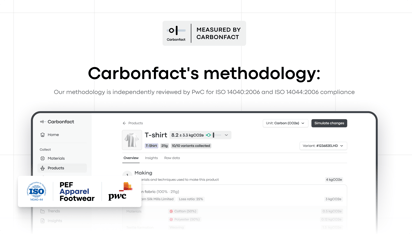
PwC has independently reviewed the Carbonfact LCA methodology and confirmed its compliance with the ISO 14040:2006 and ISO 14044:2006 standards.
Uncover the environmental impacts of leather and find out how Carbonfact performs LCA for leather boots.
Learn now: Environmental impact of polyester, low-carbon fabric alternatives and real-wordld industry case studies.
Learn more about the carbon footprint of organic vs. conventional cotton as well as regional emission differences.
Question: What should we consider when assessing the carbon impact of wool production?
Question: What is the environmental impact of producing midsoles using the autoclave process, and how does it compare to other methods?
If you click on “Accept all” you agree to the use of these cookies. To find out more about the cookies we use, see our Privacy & Cookie Policy. Or, you can continue without agreeing .